
“ How can technology help people track their emotion more frequently?”
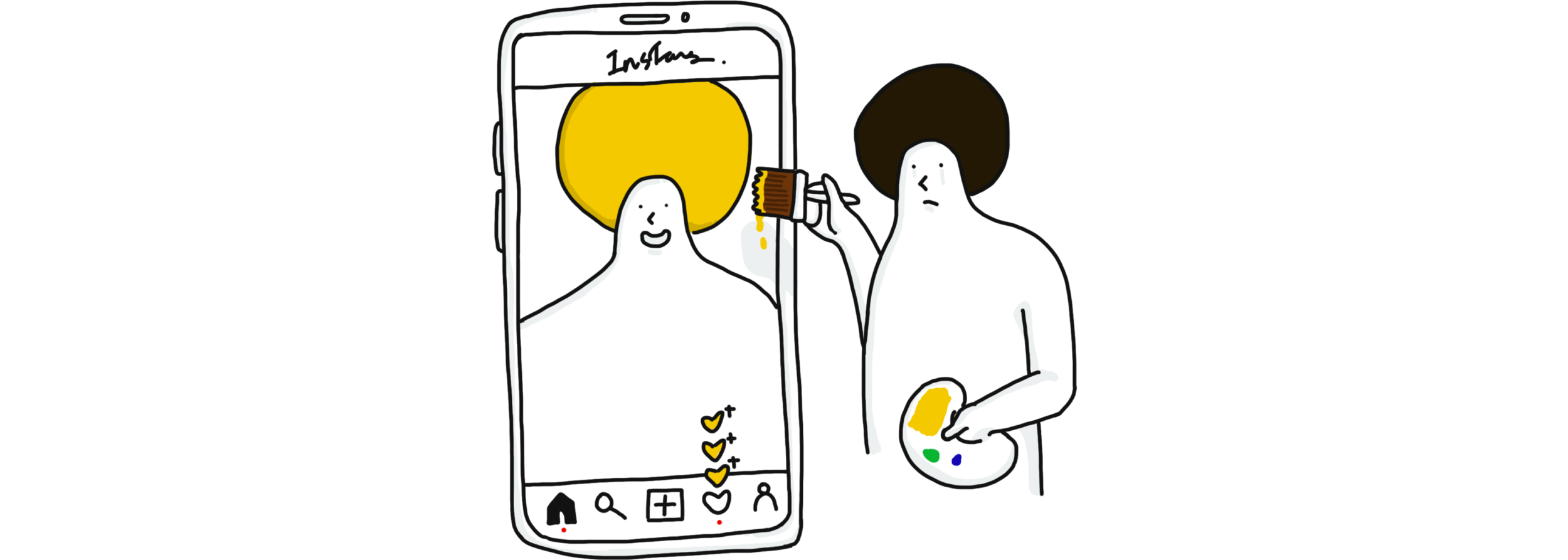
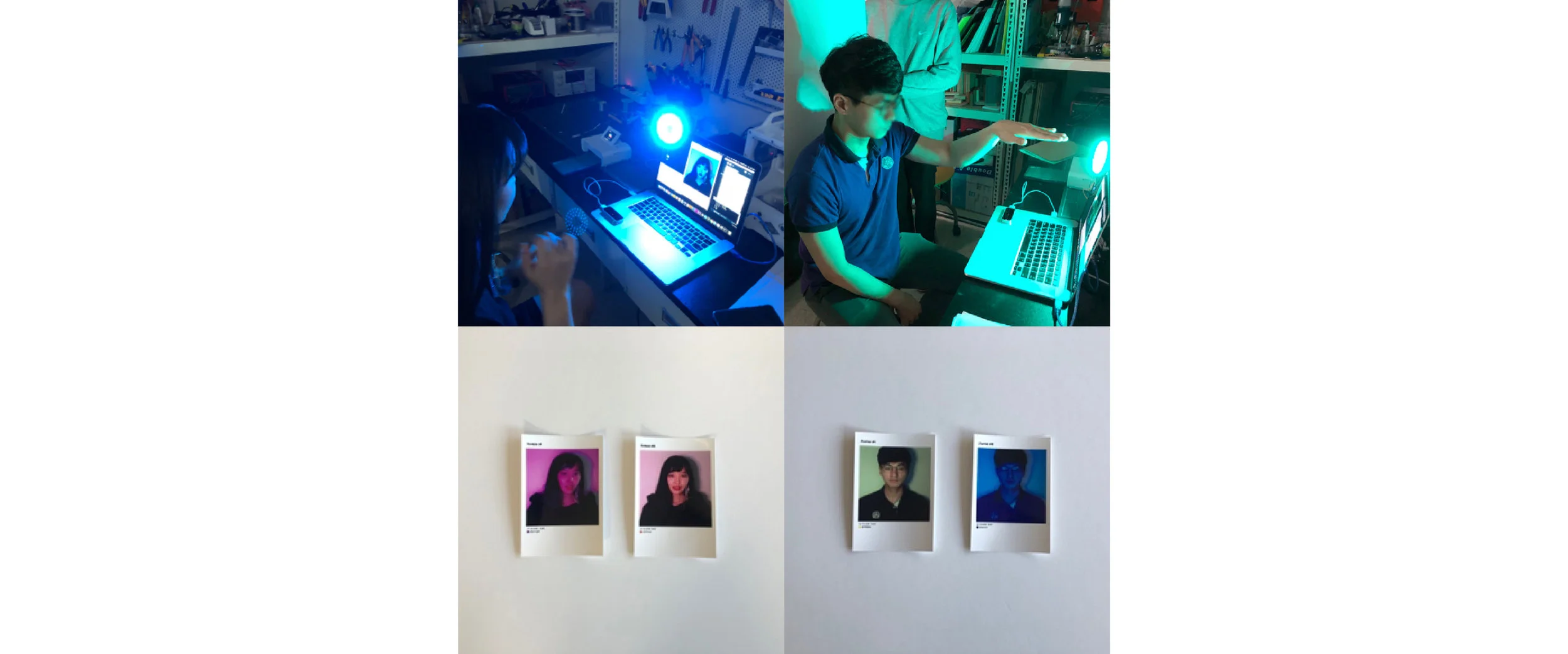
Innerstagram is the mood journaling system that the user can choose the preferred colours in mind at the moment and take a selfie. Once the colour-coded selfie is printed out, he can write down what he feels or the context at that moment.
The work of a design was produced from the Advanced Human-Computer Interface course. My role in the project was reviewing pieces of literature, conducting field study, designing a user interface and working prototypes.
• 2018
• Team Project
- Wondo Jeong: Literature review, Field study, Prototyping
- Youngchul Chung: Literature review, Field study, Prototyping
- Hanbyeol Lee: Literature review, Field study, Prototyping
• Tools: Sketch, Processing, Arduino, Leap motion
• Output: High fidelity working prototypes, Conceptual mobile app design
We started the Innerstagram project to look inside of ourselves rather than how my looking or dinner is now.
Many products are trying to help people track the emotion, but most of them cannot support users to track emotion consistently.
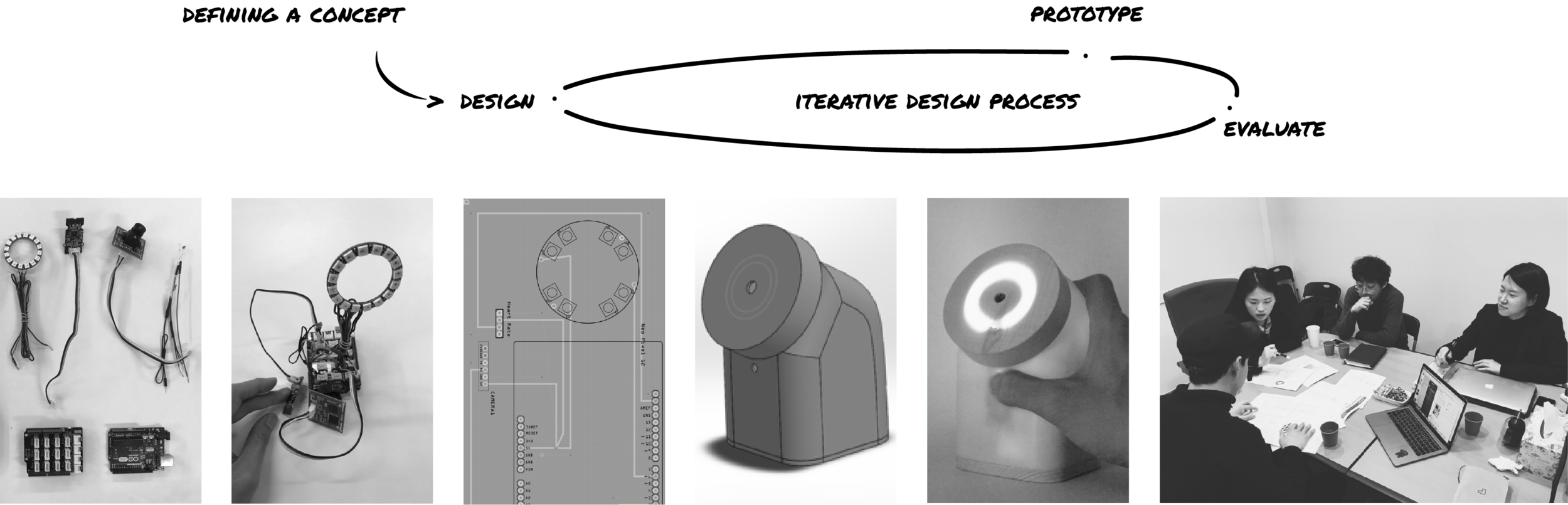
The Innerstagram project was implemented by applying an iterative design process that repeatedly performs design, prototype, and evaluation. Through the process, we could improve the initial prototype to Innerstagram v2.0.
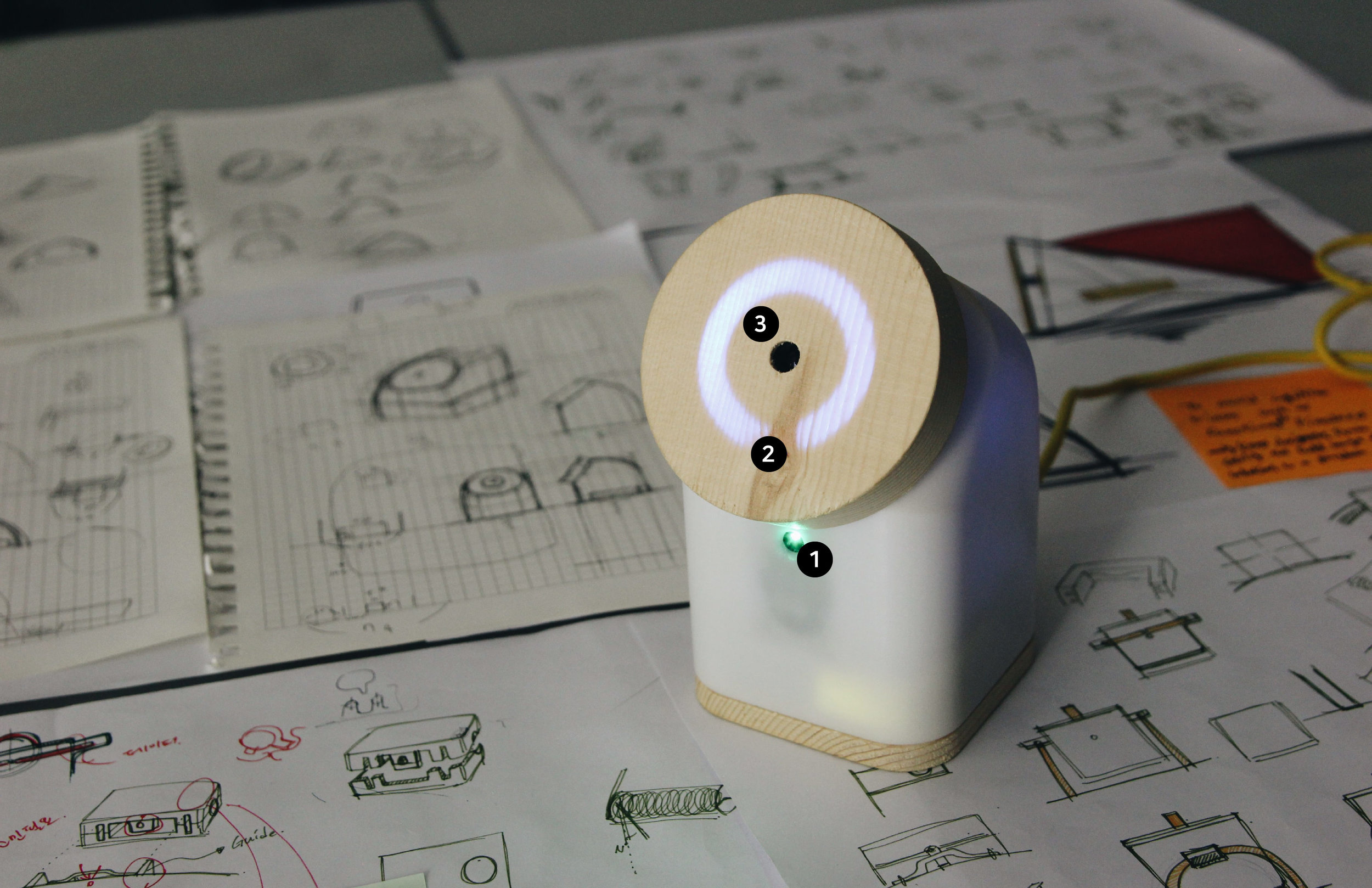
The initial version of Innerstagram was designed with tracking bio signal techniques such as facial expressions and heartbeat which were the most common way to track the emotions.
1) Hear rate (HR) sensor: Check the heart rate
2) Neo pixel LED: Emit colours related to emotions based on HR
3) Camera: Track facial expressions / Take a selfie
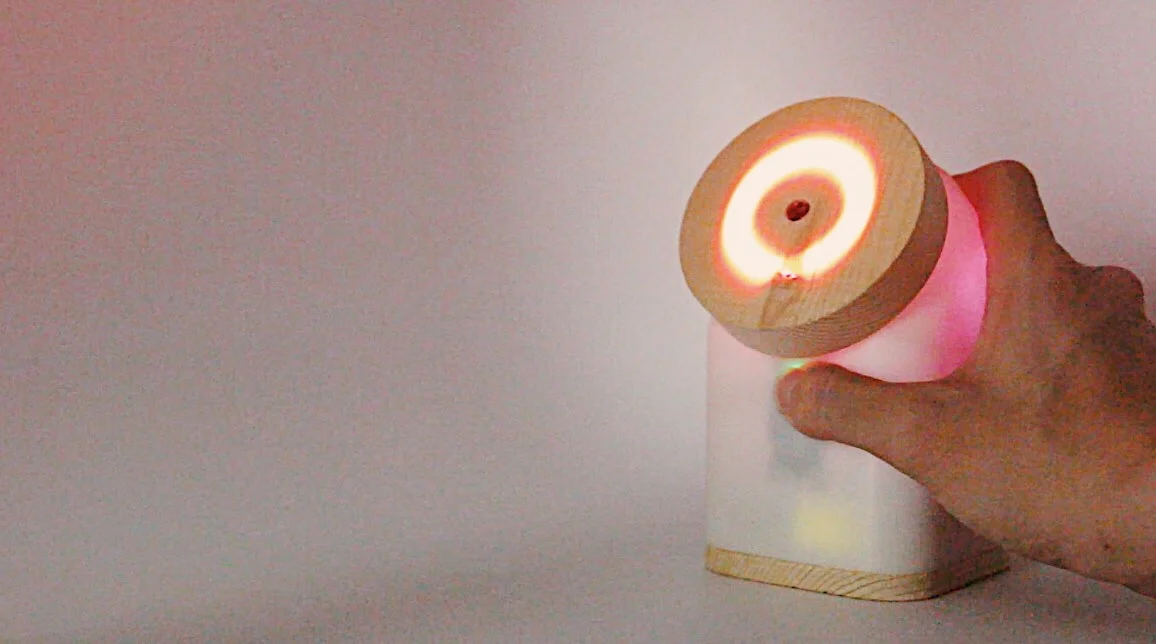
Innerstagram v.1.0 demonstration
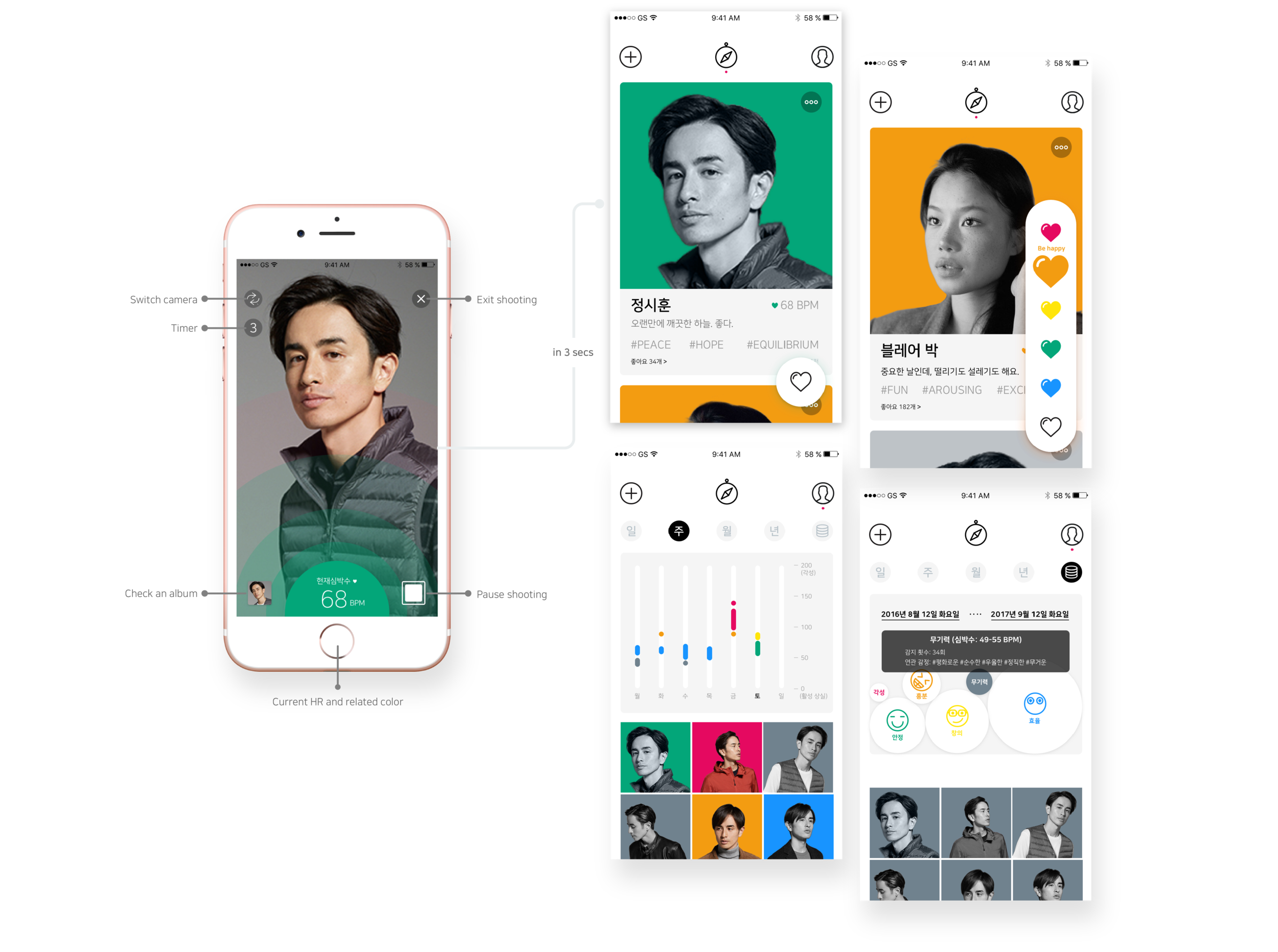
While the user is checking his/her HR through the object, the data is shown through a mobile app. The measured data will be collected on the summary page.
Since one of the ultimate goals is to enhance mental health through the product, the app provides only positive interactions intentionally.
Through the evaluation process with psychology experts, we discovered the initial prototype’s limitations.
First, users make his / her favourite face as they take a selfie no matter how they are. This causes noise in data of facial tracking.
Secondly, HR tracking with the current solution causes too much noise in HR data too. Because the emotion change does not make a recognisable difference in heart rate, we might need more accurate methods to detect HR if we still want to keep HR tracking approach.
Through understanding the workshop with experts, we developed Innerstargram version 2.0. We kept the concept of the selfie, but no longer it was utilised for detecting emotion. On the other hand, it was one of the processes that people might be interested in to conduct the journaling consistently.
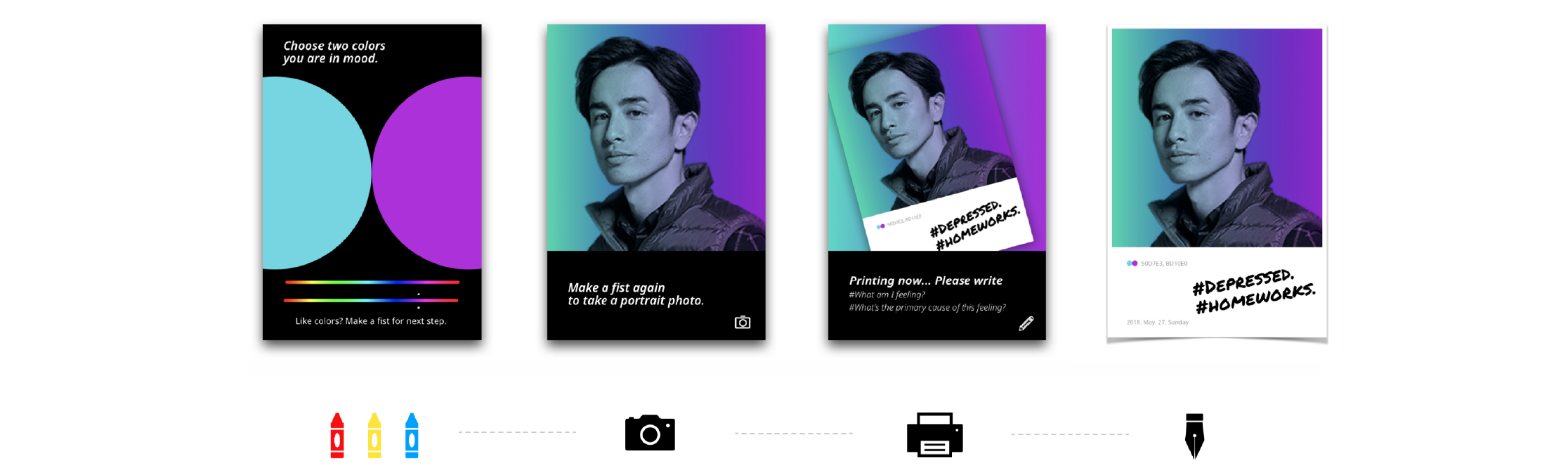
Revised procedure:
1) A user can choose the preferred colours in mind at the moment -> Applied colour-emotion related to study results.
2) Take a selfie. It is good to express the current emotion if it is possible. However, it is still OK to make the favourite face ->Added a selfie step to interest users (consistent emotion tracking is the most important to understand the human emotion)
3) Write down the current feeling on the colour-coded and printed selfie -> Applied bullet journaling concept to make up for the concept of colour representing emotion, in case of the cultural/personal preference difference.
Finally, version 2.0’s solution triggered some users -from the preliminary user evaluation phase- to track their emotion continually. It is because, the experience of collecting my portrait with colours in mood is simple, unique and rewarding.